
Monthly Archives: February 2026

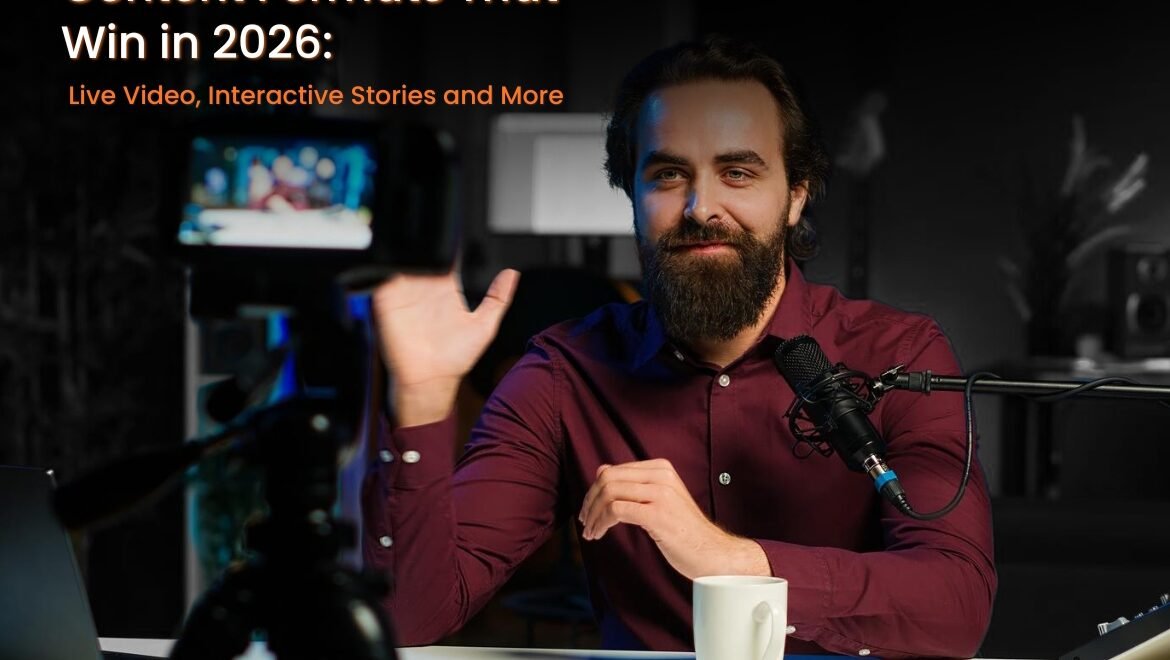
Content Formats That Win in 2026: Live Video, Interactive Stories and More

In 2026, content that does not invite participation disappears into the scroll. Digital platforms are more competitive than ever, and audiences are more selective. Static posts and purely promotional creatives are no longer enough. People expect interaction, authenticity, and value before they give attention. The best digital content formats 2026 are not built around broadcasting. They are built around experience.

From live video and interactive stories to serialized content and community-led campaigns, engagement now depends on how deeply audiences are involved. Let’s explore the formats that are winning and how brands can use them strategically.

The 2026 Content Reality: Depth Over Noise

Algorithms are increasingly prioritizing meaningful engagement over vanity metrics. Watch time, saves, replays, comments, and shares now carry more weight than simple impressions.

This makes format selection a strategic decision, not a creative afterthought.

High-performing content formats in 2026 share three core traits:

  • They feel native to the platform
  • They encourage interaction
  • They deliver emotional or practical value

Brands that align with these principles dominate engagement.

1. Live Video: Trust in Real Time

Live video has evolved into one of the strongest trust-building tools available. Audiences are drawn to real-time interaction because it feels transparent and unscripted.

Live sessions perform well because they:

  • Create urgency through immediacy
  • Encourage direct audience participation
  • Build credibility through authenticity

For example, a startup launching a product can host a live demonstration where viewers ask questions in real time. This removes hesitation and builds confidence faster than a highly edited promotional video.

In 2026, live content is not about flawless production. It is about presence and connection.

2. Interactive Stories: Turning Viewers into Participants

Interactive content is becoming a daily habit for users.

Polls, quizzes, question boxes, sliders, and clickable elements transform passive viewers into active contributors. When users engage, algorithms respond by increasing visibility.

Interactive stories succeed because they:

  • Improve completion rates
  • Generate direct audience insights
  • Strengthen recall through micro engagement

For instance, a fashion brand can let followers vote on new collections. A SaaS company can ask users to select their biggest operational challenge. 

Example:
A fashion brand can let followers vote between two outfit styles for an upcoming launch. This not only increases engagement but also gives the brand real market feedback.

A SaaS company can post a poll asking, “What is your biggest operational challenge?” The responses can later shape content or product messaging.

These micro interactions create stronger audience relationships.

3. Short-Form Vertical Video: Micro Storytelling

Short-form vertical video remains one of the best digital content formats 2026 because it matches modern consumption behavior. People prefer fast, focused content.

However, success now requires intentional storytelling.

Effective short-form videos:

  • Hook attention within the first three seconds
  • Focus on one core idea
  • Deliver quick value
  • End with a subtle call to action

Brands that treat short videos as micro-stories rather than advertisements see stronger retention and repeat engagement.

4. Serialized Content: Building Anticipation

One of the most powerful shifts in 2026 is episodic content.

Instead of one-off posts, brands are building content series such as:

  • Weekly live discussions
  • Multi-part educational sequences
  • Monthly thematic campaigns
  • Behind-the-scenes progress updates

Serialized content builds anticipation and strengthens emotional continuity. Audiences return because they expect the next chapter.

Consistency turns content into a relationship rather than a campaign.

Example:
A startup documenting its journey from idea to launch through weekly episodes builds emotional investment. Followers return because they want to see progress.

Serialized content strengthens continuity. Audiences expect the next chapter.

Consistency transforms content into an ongoing relationship.

5. Educational Micro Content: Authority in Minutes

Information remains valuable, but delivery has evolved. Long explanations are now complemented by short, digestible formats.

Carousels, 30-second videos, mini-guides, and visual explainers perform well because they:

  • Offer quick practical value
  • Position brands as experts
  • Encourage saves and shares

6. Community-Led Content: Trust Through People

Community-driven content is outperforming traditional brand-led promotion.

User-generated posts, testimonials, collaborative challenges, and creator partnerships feel authentic. Audiences trust peer experiences more than brand claims.

Community-led formats:

  • Increase authenticity
  • Expand organic reach
  • Encourage advocacy

Encouraging customers to share their journeys strengthens credibility naturally.

Example:
A café reposting customer stories instead of polished promotional photos creates relatability.

A fashion brand encouraging customers to share styling ideas using a branded hashtag increases organic reach.

When customers speak, brands gain trust.

7. Immersive and Experience-Based Formats

Technology is lowering the barrier to immersive content.

Interactive quizzes, personalized recommendation tools, augmented filters, and hybrid digital events create memorable touchpoints.

For example:

  • Virtual try-ons in beauty
  • Interactive product matching tools
  • Digital workshops combining live and recorded elements

Experiential content goes beyond viewing. It invites exploration.

How to Choose the Right Format

Not every brand needs every format. The key is alignment.

Ask:

  • Where does your audience spend time?
  • Do they prefer quick inspiration or in-depth learning?
  • Are they more likely to watch or participate?

The best digital content formats 2026 are those that align with audience behavior and business goals.

Startups often benefit from live sessions and short-form video to build awareness. Established brands may focus more on interactive and community-driven formats to strengthen loyalty.

Performance and SEO Considerations

Creative formats still require optimization.

To maximize impact:

  • Use keyword-aligned captions
  • Optimize video titles and descriptions
  • Repurpose long content into shorter clips
  • Monitor watch time, saves, and comment quality
  • Encourage meaningful conversation

Engagement depth now influences reach more than surface metrics.

The Strategic Shift: From Broadcasting to Participation

The biggest transformation in 2026 is psychological.

Brands are no longer content broadcasters. They are conversation facilitators.

The best digital content formats 2026 succeed because they:

  • Encourage dialogue
  • Build shared experiences
  • Prioritize authenticity
  • Deliver value before promotion
Live video builds transparency.

Interactive stories build habit.
Short-form video captures attention.
Community content builds loyalty.
Serialized storytelling builds long-term engagement.
Together, these formats create a human-centered content ecosystem.

Final Thoughts

The future of content is not about producing more. It is about producing meaningful interaction.

Brands that prioritize connection over promotion and participation over perfection will lead digital growth in 2026.

If you are building your content strategy, begin with this question:

Are you creating content to be seen, or content to be experienced?

Frequently Asked Questions

What are the best digital content formats 2026 for startups?

Live video and short-form vertical video are highly effective for startups because they build visibility and trust quickly.

Why is interactive content important in 2026?

Interactive content increases engagement, improves algorithm visibility, and strengthens audience relationships through participation.

Does short-form video still work in 2026?

Yes, when built around clear storytelling and strong hooks, short-form video remains one of the highest-performing formats across platforms.
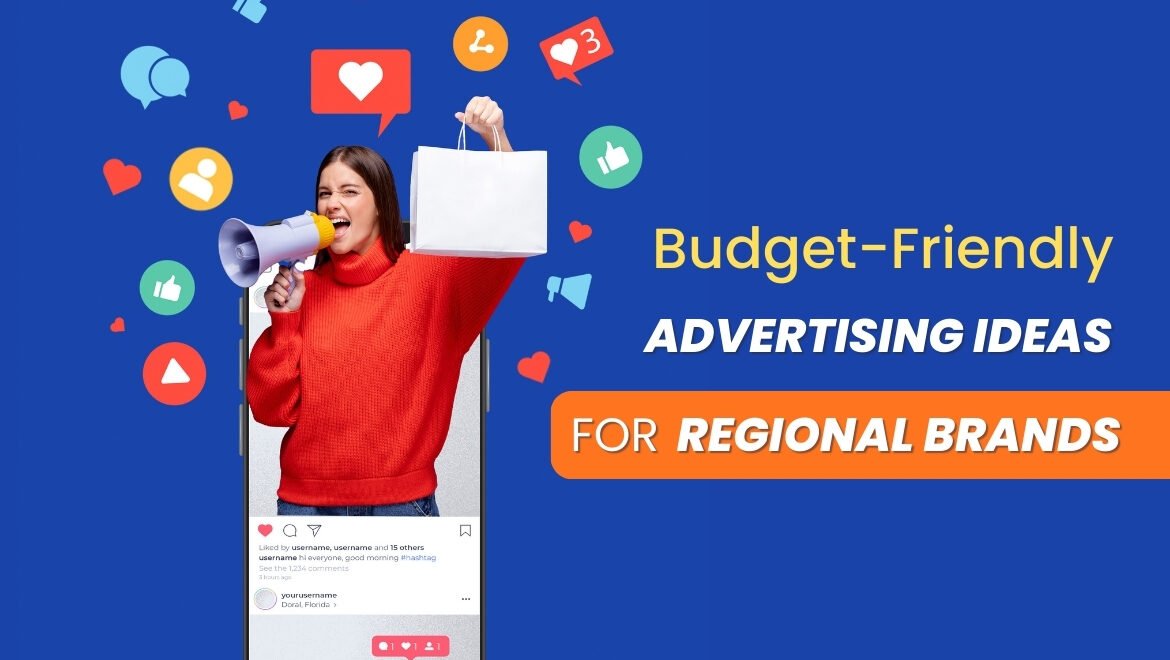
Budget-Friendly Advertising Ideas for Regional Brands

Regional brands often assume that limited budgets limit growth. In reality, limited budgets force smarter marketing decisions. In 2026, creativity, precision targeting, and community engagement matter more than large media spends.

The most effective advertising ideas for brands operating at a regional level are not about spending more. They are about spending strategically, building trust locally, and maximizing every rupee invested.

Here is a refined, practical guide to help regional brands advertise effectively without exhausting their budgets.

1. Hyperlocal Targeting Through Social Media and Paid Ads

One of the most powerful advertising ideas for brands serving a regional audience is hyperlocal targeting.

Instead of running broad campaigns, focus on:

  • Targeting specific cities, districts, or pin codes
  • Setting a radius around your store location
  • Excluding regions outside your service area

For example, a restaurant in Vadodara can run ads within a 5 km radius instead of targeting the entire state. This improves relevance, reduces cost per click, and increases conversion rates.

Localized messaging consistently outperforms generic campaigns.

2. Turn Customers Into Brand Promoters

Word-of-mouth marketing is especially powerful in regional markets where communities are closely connected.

You can:

  • Offer referral discounts
  • Feature customer testimonials
  • Provide small incentives for tagged posts
  • Highlight customer stories on social media

When real customers promote your brand, it feels authentic rather than promotional. This builds credibility at a fraction of traditional advertising costs.

Example:
A salon offering “Refer a friend and get 20% off your next visit” can quickly build a steady pipeline of new customers through existing ones.

When real customers promote your brand, it feels authentic rather than promotional. This builds credibility at a fraction of traditional advertising costs.

3. Collaborate With Micro-Influencers

Regional brands do not need national celebrities. Micro-influencers within your city often deliver better engagement and stronger local impact.

Look for:

  • Local food bloggers
  • Lifestyle creators
  • Student influencers
  • Community leaders

A local café collaborating with a city-based content creator can generate real footfall with minimal investment. Micro-influencers typically charge less but bring highly engaged audiences.

4. Prioritize Video Over Static Content

Video consistently generates higher engagement across platforms, even when created using a smartphone.

Budget-friendly video ideas include:

  • Behind-the-scenes operations
  • Staff introductions
  • Customer reactions
  • Product demonstrations

Authenticity is more important than perfection. Regional brands benefit from being relatable and transparent.

5. Optimize Google Business Profile and Local SEO

Many regional brands overlook local search optimization.

An optimized Google Business Profile can:

  • Increase walk-ins
  • Improve local search rankings
  • Build trust through reviews

Encourage satisfied customers to leave reviews. Respond consistently. Post updates regularly.

This is one of the most cost-effective advertising ideas for brands targeting nearby customers.

Example:
When someone searches “best gym near me” or “salon in Subhanpura,” an optimized listing with strong reviews and updated photos increases the chances of selection.

Encourage satisfied customers to leave reviews. Respond consistently. Post updates regularly. This is one of the most cost-effective advertising ideas for brands targeting nearby customers.

6. Create Limited-Time Local Offers

Scarcity creates urgency, especially in regional markets.

Consider promoting:

  • Weekend-only discounts
  • Festival-based offers
  • Anniversary specials
  • Flash sales

Combine these offers with hyperlocal ad campaigns for maximum impact. Small budgets tied to clear objectives often outperform large, unfocused campaigns.

Example:
A clothing boutique offering a “Navratri Special Discount” for three days can drive immediate footfall when combined with targeted local ads.

Small budgets tied to clear objectives often outperform large, unfocused campaigns.

7. Participate in Community Events

Offline presence still plays a crucial role for regional brands.

You can:

  • Sponsor local tournaments
  • Host workshops
  • Participate in trade fairs
  • Partner in charity events

Amplify offline efforts through social media coverage to extend reach without doubling cost.

8. Build Owned Communication Channels

Owned channels reduce reliance on paid advertising.

Build:

  • Email subscriber lists
  • WhatsApp broadcast communities
  • SMS update systems

Use these channels to share exclusive offers, event announcements, and product launches. Once built, these channels provide recurring reach at minimal cost.

Example:
A restaurant can send exclusive weekend offers via WhatsApp to repeat customers. A coaching institute can send exam reminders and registration alerts via SMS.

Once built, these channels provide recurring reach at minimal cost.

9. Focus on Educational Content

Educational marketing builds authority and trust.

For example:

  • A gym sharing quick workout tips
  • A clothing store offering styling advice
  • A coaching institute sharing exam preparation insights

Educational content increases saves, shares, and long-term brand recall.

10. Launch Referral and Loyalty Programs

Retention is more cost-effective than acquisition.

You can:

  • Offer loyalty points
  • Provide referral rewards
  • Give small incentives for repeat purchases

This approach transforms existing customers into long-term advocates while reducing dependence on paid ads.

Example:
A grocery store offering points for every purchase encourages repeat visits. A café offering a free coffee after five purchases increases loyalty.

This transforms customers into long-term advocates while reducing paid advertising pressure.

11. Encourage User-Generated Content

User-generated content is one of the most cost-efficient advertising ideas for brands.

Encourage customers to:

  • Share photos using your product
  • Post reviews
  • Participate in contests
  • Record short testimonials

User-generated content builds credibility and reduces content production costs simultaneously.

Smart Budget Allocation Strategy

A practical budget distribution for regional brands may look like:

  • 60 percent organic content and community engagement
  • 30 percent hyperlocal paid ads
  • 10 percent testing and collaborations

This balanced approach ensures consistent visibility without overspending.

What Regional Brands Should Avoid

To maximize results on a limited budget, avoid:

  • Broad untargeted campaigns
  • Inconsistent posting
  • Overproduced content that feels inauthentic
  • Ignoring performance metrics

Track engagement, lead quality, and conversion data regularly. Data-driven decisions stretch budgets further.

Choosing the Right Strategy

Not every tactic works for every business.

Ask:

  • Who is your primary local audience?
  • Where do they spend time online?
  • What motivates them to take action?

The best advertising ideas for brands are those aligned with audience behavior and business goals.

Final Thoughts

Regional brands do not need national advertising budgets to grow. They need:

  • Clear positioning
  • Community trust
  • Precise targeting
  • Consistent communication

When advertising feels personal, relevant, and locally rooted, it outperforms expensive mass campaigns.

Smart strategy consistently beats large spending.

If you are planning your next campaign, begin with one simple question:

How can we strengthen our presence within our own community first?

Frequently Asked Questions

What are the best low-budget advertising ideas for brands?

Hyperlocal ads, referral programs, user-generated content, and community collaborations are among the most cost-effective strategies.

How can regional brands compete with national brands?

By focusing on local trust, personalized messaging, and targeted marketing rather than broad awareness campaigns.

Is social media enough for regional brand growth?

Social media is powerful, but combining it with local SEO, referral programs, and community engagement creates stronger and more sustainable growth.